
The Pantry — a field guide to the larderPlate No. 05
Pumpkin
Winter squashRoast and drainFall through winter
A squash with a custard’s heart. Pick the right variety, roast it until it slumps, drain what the oven couldn’t, and pumpkin will hold a pie together, thicken a smoothie, and give autumn its color.
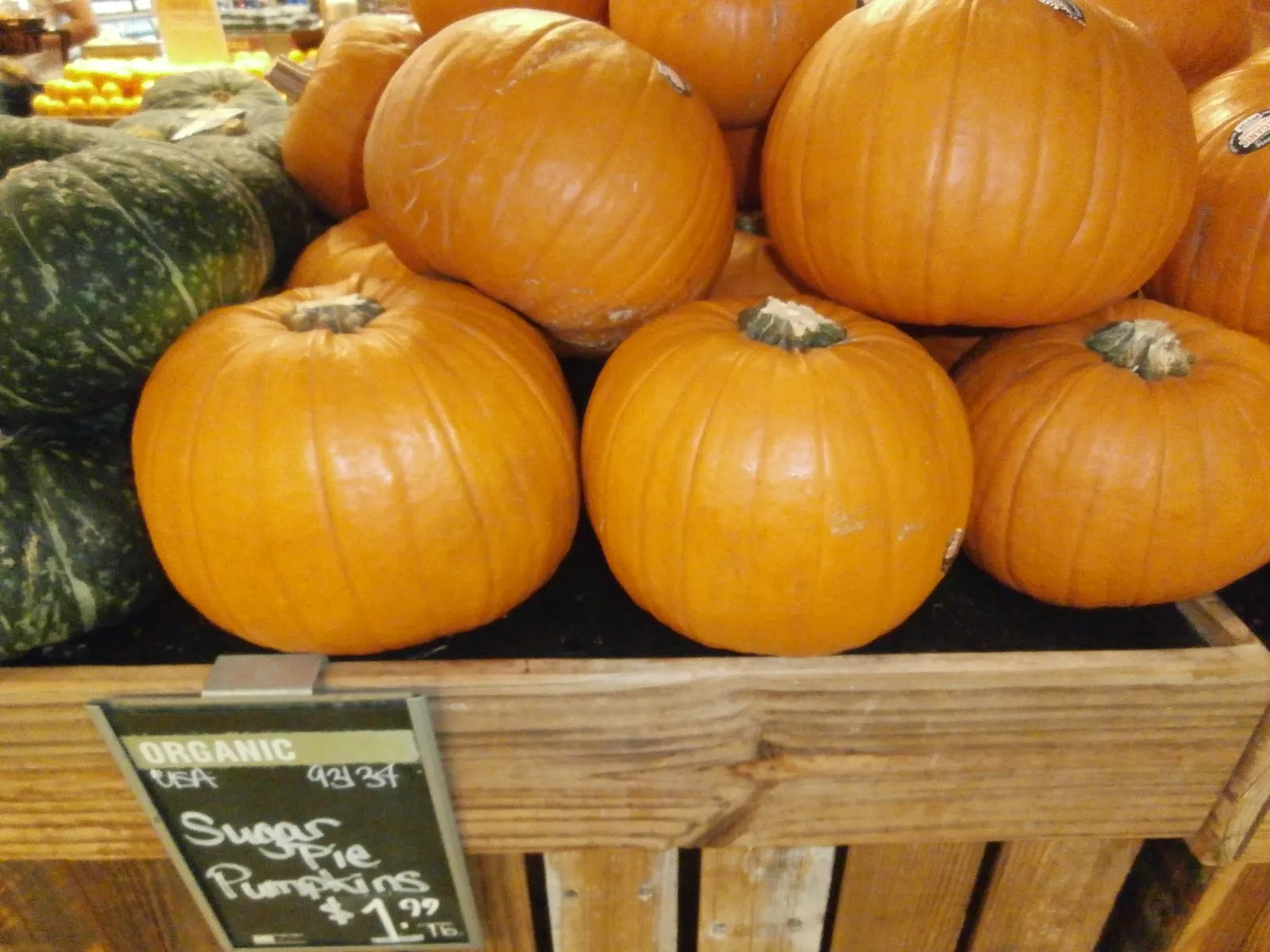
Sugar pie pumpkins run two to four pounds: small enough to roast whole, dense enough to matter.
Pronounced ribs and a matte, deep-orange rind mark the eating varieties; carving pumpkins gleam pale.
A good one feels heavy for its size. Lightness means a hollow middle and stringy, watery flesh.
Photo by Jeffery Martin · CC0 1.0
- Family
- Cucurbita, winter squash
- Kitchen variety
- Sugar pie, 2–4 lb
- Season
- September–December
- Keeps
- Months, whole and cool
- Signature
- Pies, smoothies, soups
Not every pumpkin wants to be eaten
OriginsThe ten-pounder on the porch was bred for broad shoulders and a thin wall that carves easily; its flesh is stringy and wet. The kitchen pumpkin is its small cousin, the sugar pie: two to four pounds, heavy for its size, with dense flesh that roasts into something closer to sweet potato than to squash soup.
Cooks have leaned on that density for centuries. Long before canned puree, colonial kitchens hollowed pumpkins, filled them with milk, honey, and spices, and buried them in embers, a custard baked inside its own shell. The modern pie is the same idea with better crockery: pumpkin supplies body and color, dairy and eggs supply the set, and the spice drawer does the talking.
The craft is almost entirely about water. A pumpkin is roughly ninety percent of it, and every good pumpkin recipe is a small campaign to drive that water out and keep the flavor behind.
In the pan
Field notesIt thickens
Pumpkin flesh is mostly water held in soft fiber and starch. Cooked and pureed, that fiber becomes body, which is why pumpkin can carry a pie filling or a smoothie without a drop of cream.
It concentrates
Roasting drives off water and browns the sugars at the cut face. A roasted half tastes twice as much like pumpkin as a boiled one, with none of the wet-squash flavor.
It carries spice
On its own, pumpkin is mild and earthy-sweet. That blankness is a feature: cinnamon, ginger, and nutmeg have somewhere soft to land, which is the whole idea of pumpkin spice.
Supporting plates
Figures i–ii
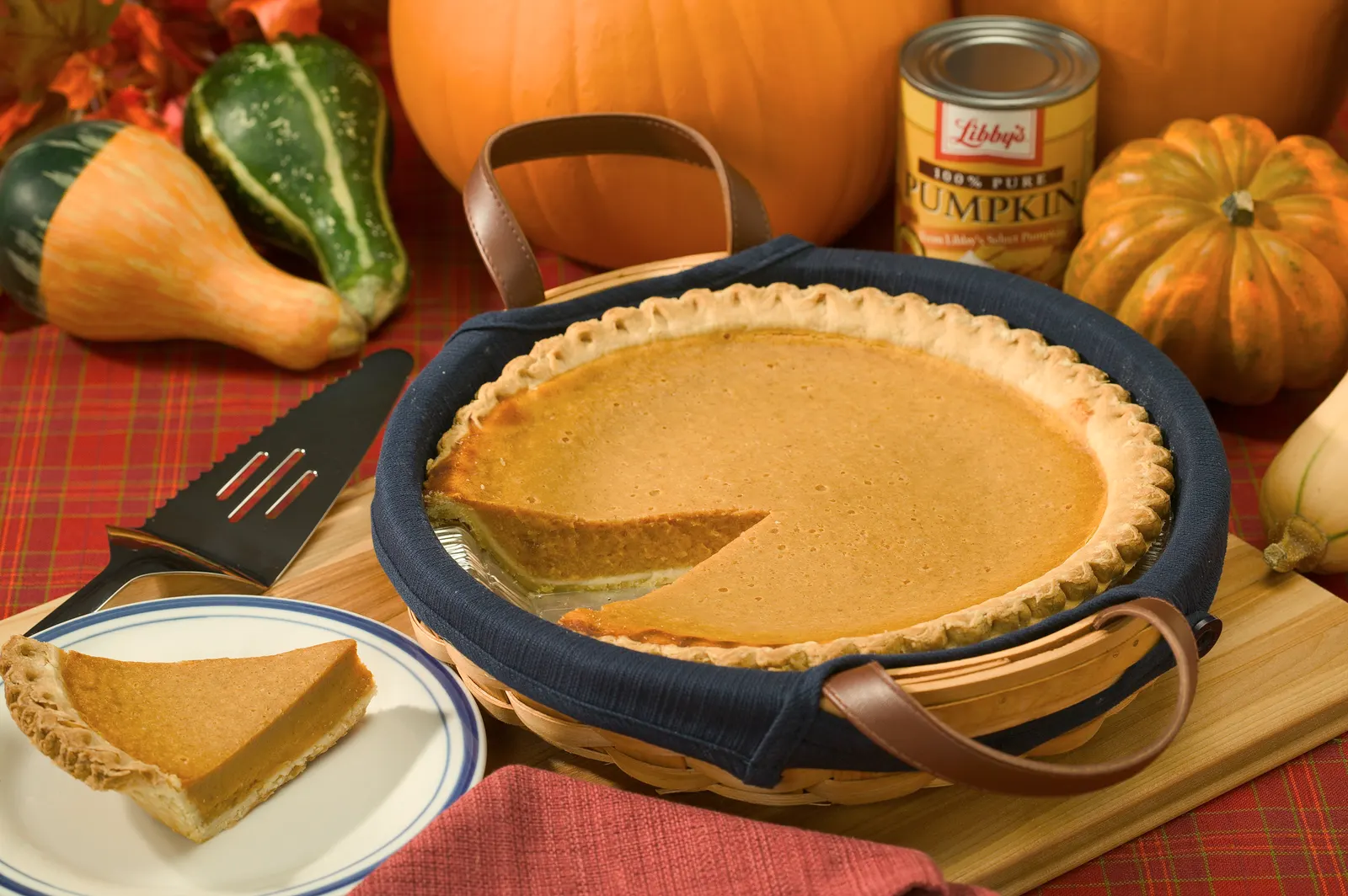
From whole pumpkin to pie-ready puree
Protocol- 0:00
Halve and seed
Split a sugar pie pumpkin through the stem, scrape out seeds and strings, and set the halves cut side down on a lined sheet pan.
- 0:05
Roast until collapsing
An hour at 375°F, give or take, until the skin wrinkles and a knife meets no resistance. Browning at the edges is flavor, not a flaw.
- 1:10
Scoop and puree
Spoon the flesh from the skins and blend until completely smooth. Taste it now; good puree needs nothing yet.
- 1:20
Drain the water out
Set the puree in cheesecloth over a bowl for an hour. What drips out is water that would have made your pie weep and your crust soggy.
Fresh, canned, or something else entirely
Trade ledger| In its place | How it behaves | Verdict |
|---|---|---|
| Canned pumpkin | Dense, consistent, and picked riper than most fresh pumpkins ever get. For a spiced pie nobody will call you out; buy plain pumpkin, not pie filling. | No shame |
| Butternut squash | Roasts up sweeter and silkier than pumpkin itself. Many "pumpkin" dishes improve with it; the name on the menu is the only casualty. | Often better |
| Carving pumpkins | Jack-o-lantern varieties are bred for size and thin walls: stringy, watery flesh with washed-out flavor. Grow them for the porch. | Porch only |
Cited in the recipe index
Cross-references- Harvest BreadA warmly spiced pumpkin loaf packed with walnuts and raisins, with a dark crust and a tender, sliceable crumb.Bread · 2 hr 5 min, including cooling · 1 9-by-5-inch loaf (10 slices)
- Homemade Fresh Pumpkin PieA warmly spiced pumpkin pie with a blind-baked butter crust, creamy evaporated-milk filling, and clear doneness cues for a silky slice.Dessert · 3 hr 5 min · 8 servings
- Awesome Pumpkin Pie SmoothieA creamy pumpkin pie smoothie blended with pumpkin puree, vanilla yogurt, banana, honey, spice, milk, and ice for a quick cold fall breakfast.Breakfast · 5 min · 2 servings
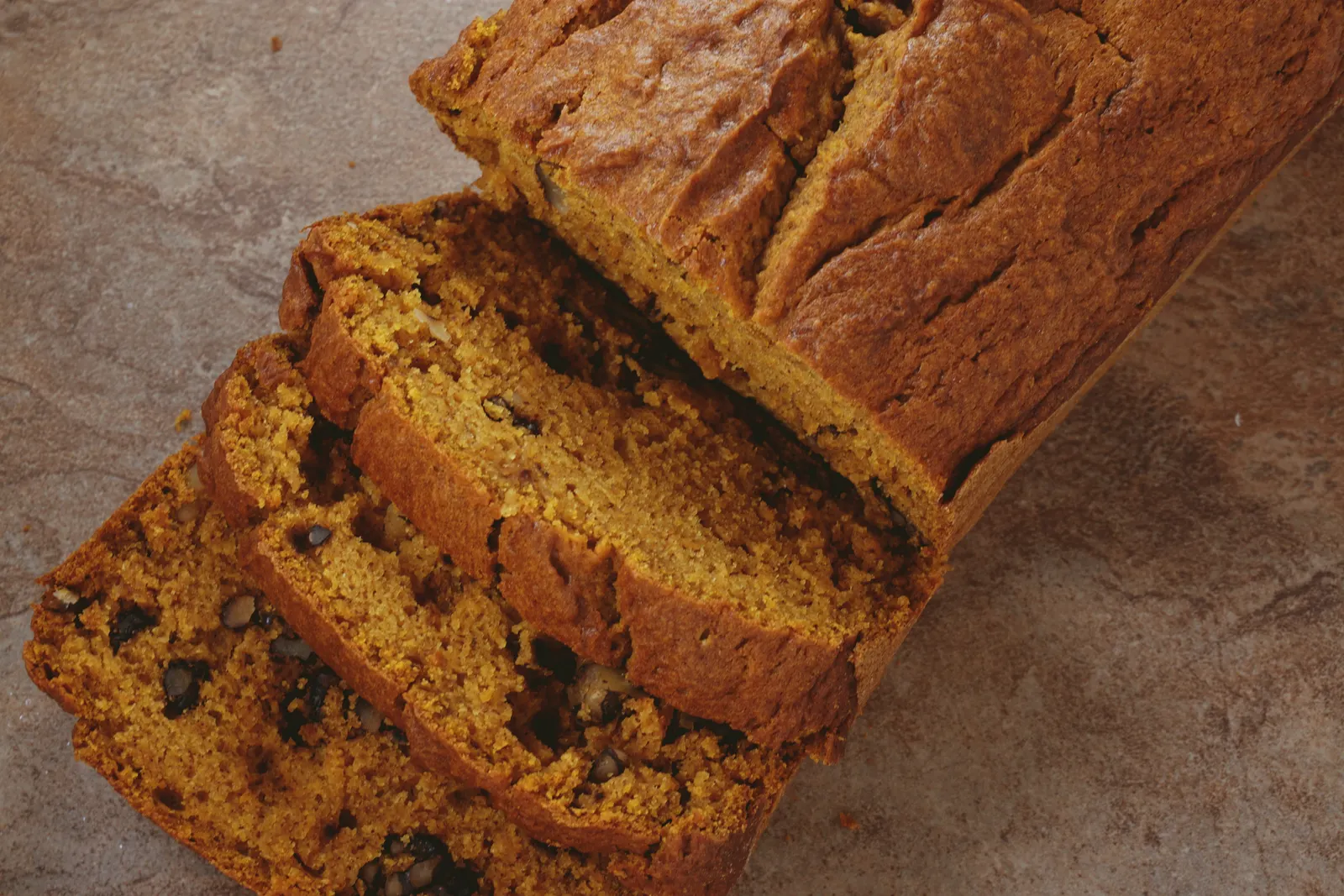
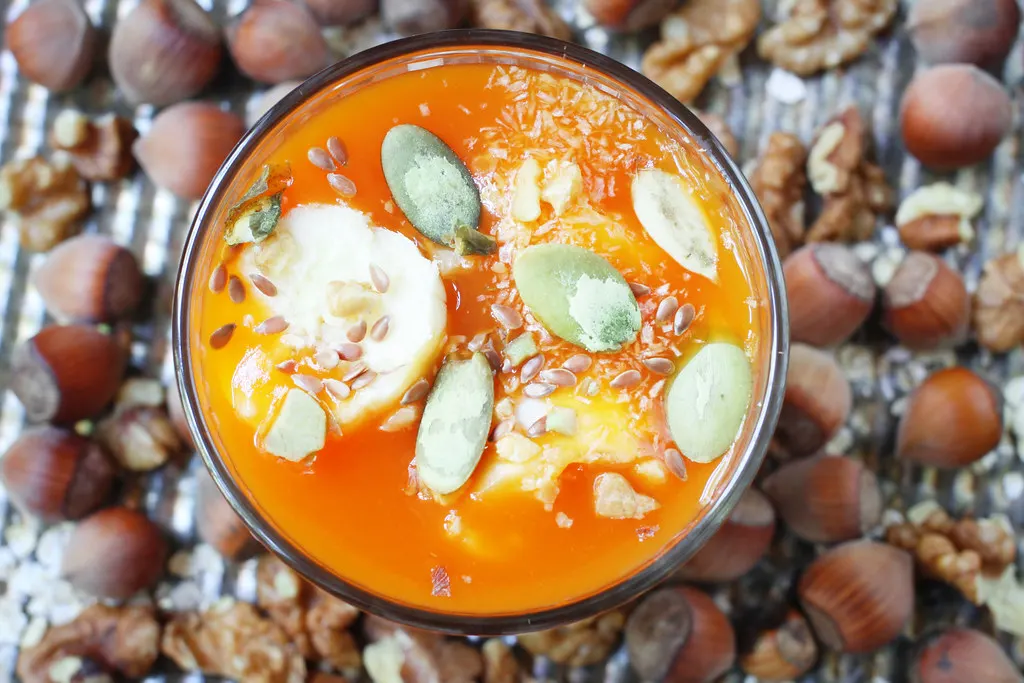

Image credits
Photography is used under open licenses with attribution: Jeffery Martin, Veganbaking.net, and Peggy Greb.
.jpg)
