
Pick potatoes that feel heavy and firm with taut skin. Skip any with sprouts, soft spots, or a green cast; green skin means solanine, which is bitter and mildly toxic.
The Pantry — a field guide to the larderPlate No. 03
Potato
Cellar stapleWaxy to starchyYear-round
Choose the variety and you have chosen the dish: dry-starched russets that bake fluffy and fry crisp, waxy reds that hold their shape in butter, and Yukons that split the difference. The potato is less a vegetable than a decision about texture.
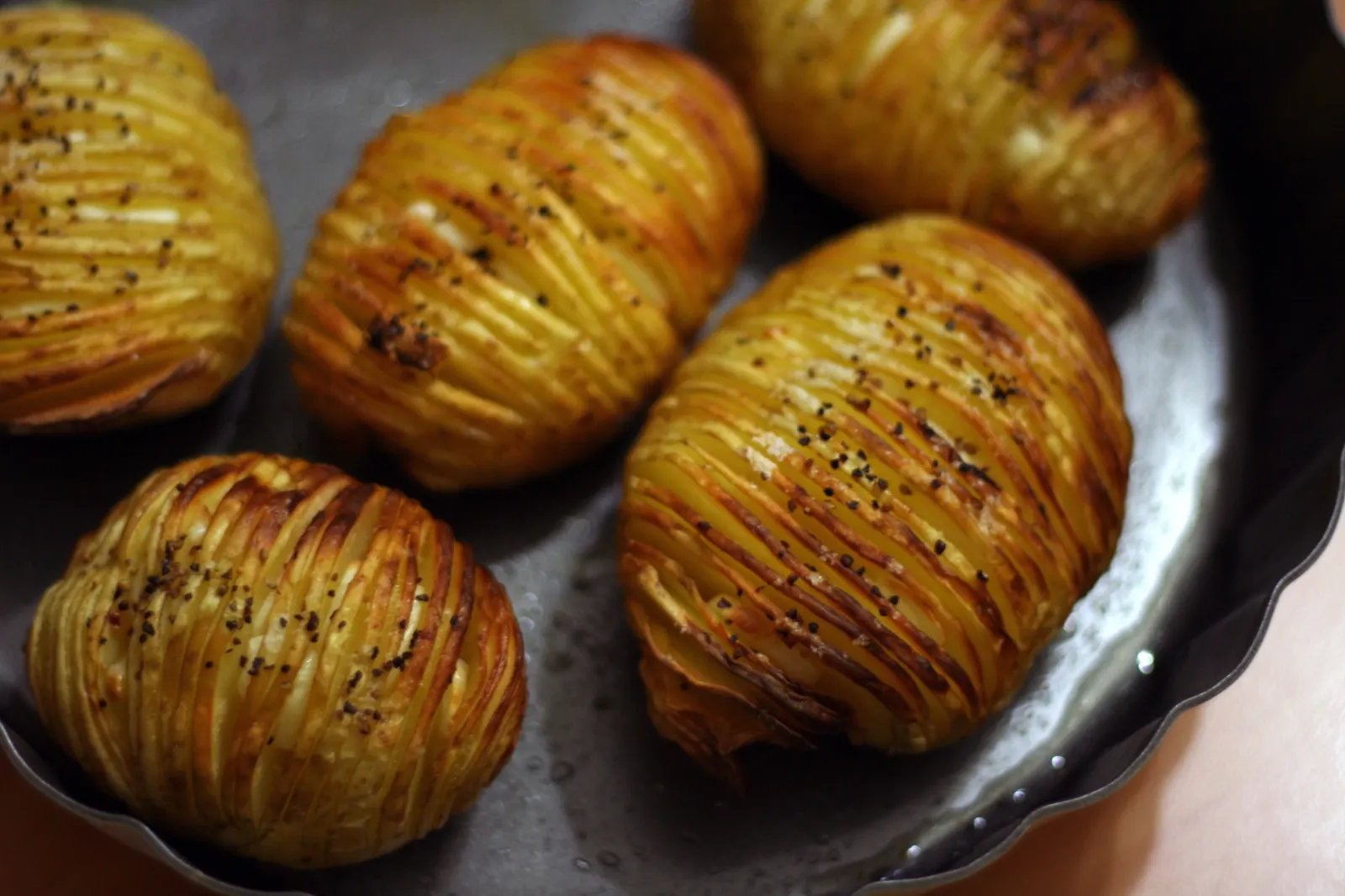
1The crisp edges
Every cut face is surface starch meeting hot fat: the more edges you make, the more crunch you get.
2The creamy base
The uncut bottom steams in its own moisture while the top fries, two textures in one potato.
3The seasoned slits
Salt and butter worked into the cuts is the only way flavor ever reaches a potato’s middle.
- Family
- Solanum tuberosum
- Spectrum
- Waxy to starchy
- Season
- Year-round, best in fall
- Keeps
- Weeks, dark and cool
- Signature
- Roasts, mashes, gratins
Every potato question is a starch question
OriginsThe variety names change by country and season, but the axis never does: at one end the dry, flour-hearted russet, at the other the dense, waxy red. Where a potato falls on that line decides whether it bakes into fluff, mashes into cream, or holds its shape in a pot of salted water.
Cooks worked this out long before food science named it. Swedish kitchens boiled small waxy potatoes and rolled them in parsley butter because they stayed whole and glossy; American diners split giant russets because they baked light as bread. The Hasselback, invented in a Stockholm restaurant kitchen, is the rare trick that asks one potato to do both jobs, and gets away with it.
Treat the aisle like a toolbox rather than a pile of interchangeable brown lumps and most potato disappointments, gluey mash, salad that dissolved, roasts that never crisped, simply stop happening.
In the pan
Field notesStarch decides
A russet is packed with dry starch that bursts into fluff; a red or fingerling holds less starch in firmer cells and stays creamy. No technique overrides the variety in the bag.
Surface starch crisps
Crusts come from starch meeting fat in a hot oven. Rinsing cut potatoes removes it for even cooking; leaving it, or roughing up parboiled edges, builds the crackle.
Salt from the start
Potatoes are dense and mildly flavored, and seasoning cannot migrate in afterward. Salted cooking water or salted slits, as in a Hasselback, is the only way to season the middle.
Two schools, photographed
Figures i–ii

Three textures, one tuber
Texture mapCrisp
Dry surface, fat, and heat above 400°F. Starchy varieties crisp deepest because there is more starch to fry in place.
Fluffy
Starch granules swell with steam and burst apart. Russets mash light and bake airy for exactly this reason; overwork them and the burst starch turns to glue.
Creamy
Waxy flesh holds its structure through boiling, so slices stay intact and take on a dense, buttery smoothness. The right answer for salads and buttered parsley potatoes.
Which potato for the job
Variety ledger| Variety | How it behaves | Verdict |
|---|---|---|
| Russet / Idaho | Maximum starch, maximum fluff, deepest crisp. Falls apart if boiled hard, so keep it out of the salad bowl. | Bake & roast |
| Yukon Gold | Medium starch and naturally buttery. Respectable at everything: roasts, mashes, gratins, and a very good Hasselback. | All-rounder |
| Red and fingerling | Waxy, thin-skinned, shape-proof. They stay in neat pieces under a parsley-butter toss but will never give you a fluffy mash. | Boil & salad |
Choose them, keep them
Keeper’s notesDark, cool, and ventilated, and never next to onions, which push each other toward sprouting. A paper bag in a cupboard beats a plastic bag anywhere.
Below about 45°F potato starch converts to sugar. Chilled potatoes taste oddly sweet and brown too fast, scorching before they cook through.
A short sprout on a firm potato snaps off harmlessly. A wrinkled, soft potato wearing a garden of them has already spent its starch; let it go.
Cited in the recipe index
Cross-references- Best Funeral PotatoesSarah’s crowd-size funeral potatoes fold thawed hash browns into sour cream, condensed chicken soup, butter, and cheddar before a crisp cornflake finish.Side Dish · 3 hr 10 min, including thaw and rest · 12 servings
- Best-Ever Loaded Potato SkinsLauren Allen’s loaded potato skins use a double broil to turn six russets into twelve crisp, bacon-and-cheddar party boats.Appetizer · 1 hr 30 min · 12 potato skins
- Loaded Baked Potato TacosSteph Loaiza’s family dinner turns six fluffy russets into taco night with seasoned ground beef, cheese, sour cream, tomatoes, olives, green onions, and bacon.Main Course · 1 hour 25 minutes · 6 loaded potatoes
- Grilled Steak, Potato & Mushroom KabobsDanelle McCollum’s steakhouse supper on a skewer pairs balsamic-marinated beef and mushrooms with parboiled potatoes for one well-timed pass over the grill.Main Dish · At least 2 hr 35 min · 6 servings
- Crispy Crunchy Cubed PotatoesSmall potato cubes are briefly steamed, coated with butter and a restrained herb-spice mix, then roasted until deeply golden and crisp.Side Dish · 40 min · 2 servings
- Ballycotton Fish ChowderA brothy Irish fish chowder with smoked haddock, cod, salmon, tender potatoes, thyme and parsley, finished with cream off the heat.Soup · 30 minutes · 4 to 5 servings
- Ranch Chicken with Potatoes & Green BeansA five-ingredient ranch chicken dinner with red potatoes and green beans, arranged in one dish and baked under foil.Dinner · 1 hr 5 min · Not specified
- Loaded Potato BitesCheddar, bacon, and scallions folded into mashed potatoes, breaded, and fried into crisp little bites with a soft center.Side Dish · 30 min · 18–24 bites (about 5 servings)
- Köttbullar with parsley potatoesAllspice-scented Swedish meatballs simmered in cream with mushrooms, served with parsley-buttered potatoes, chive cucumber, and lingonberry jam.Main Course · 40 min · 2 persons
- Crispy Hasselback PotatoesYukon gold Hasselback potatoes brushed with garlic butter or olive oil, seasoned with Parmesan and red pepper, and baked until crisp at the edges.Side Dish · 1 hr 10 min · 6 servings
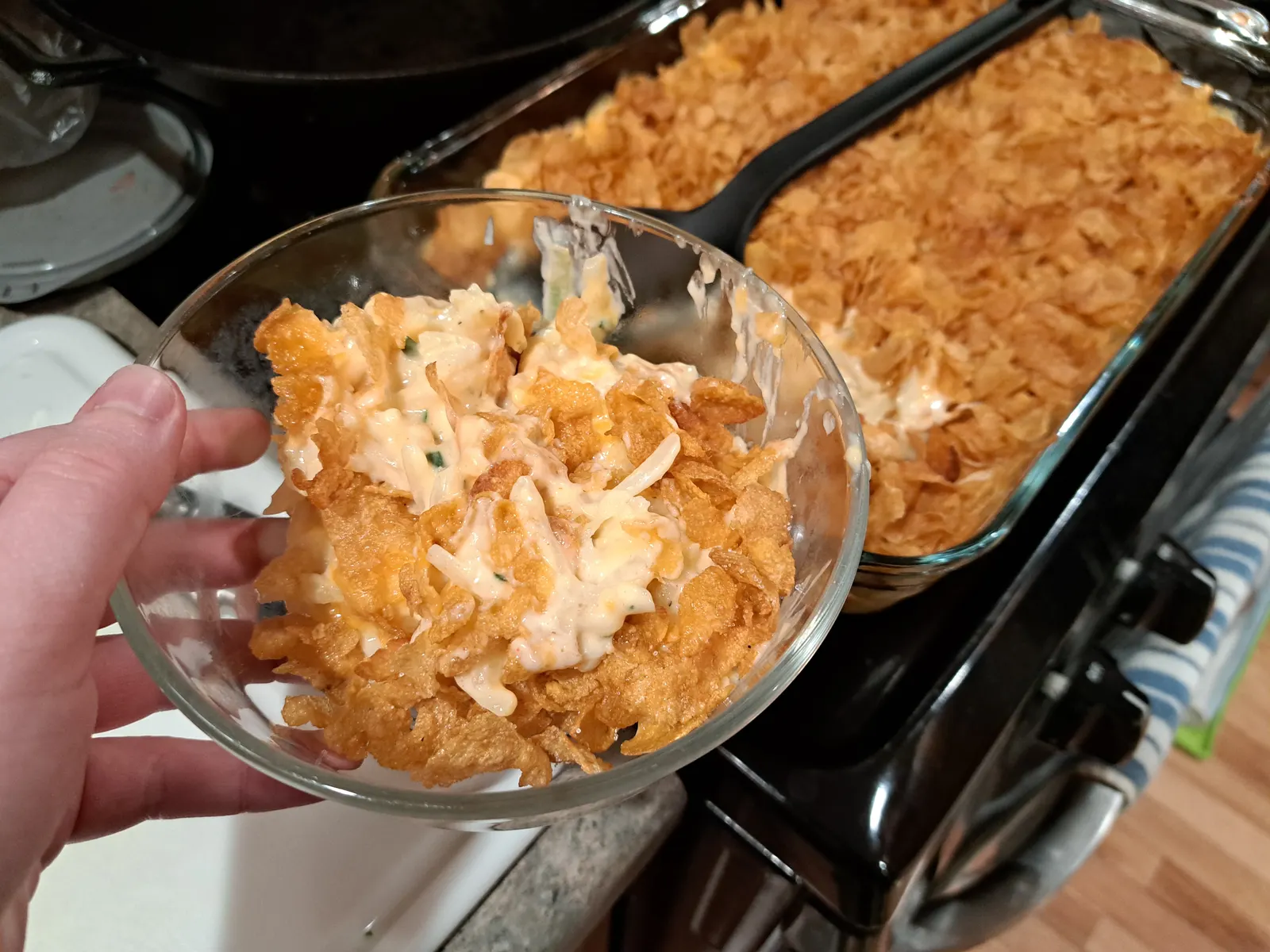
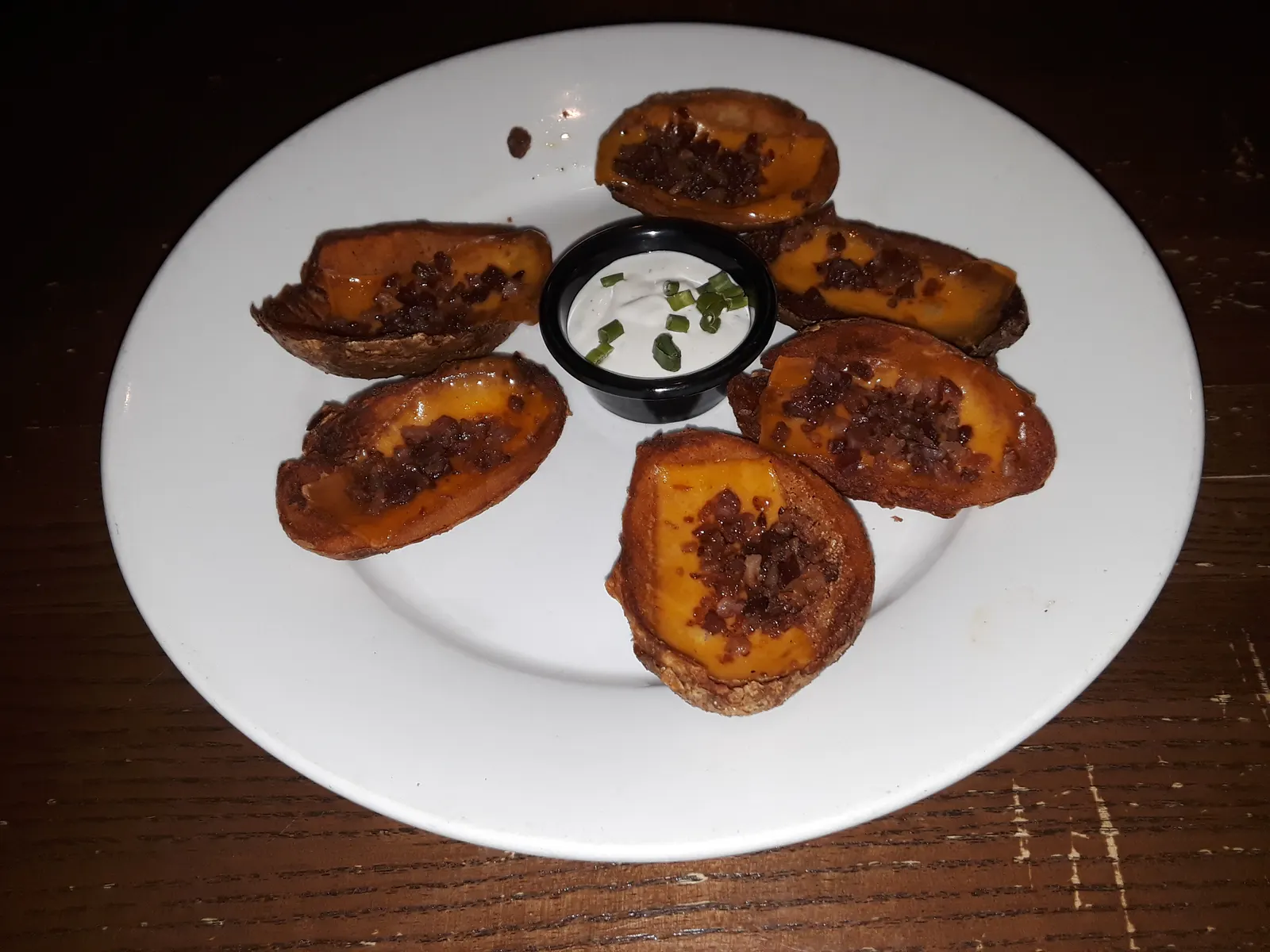
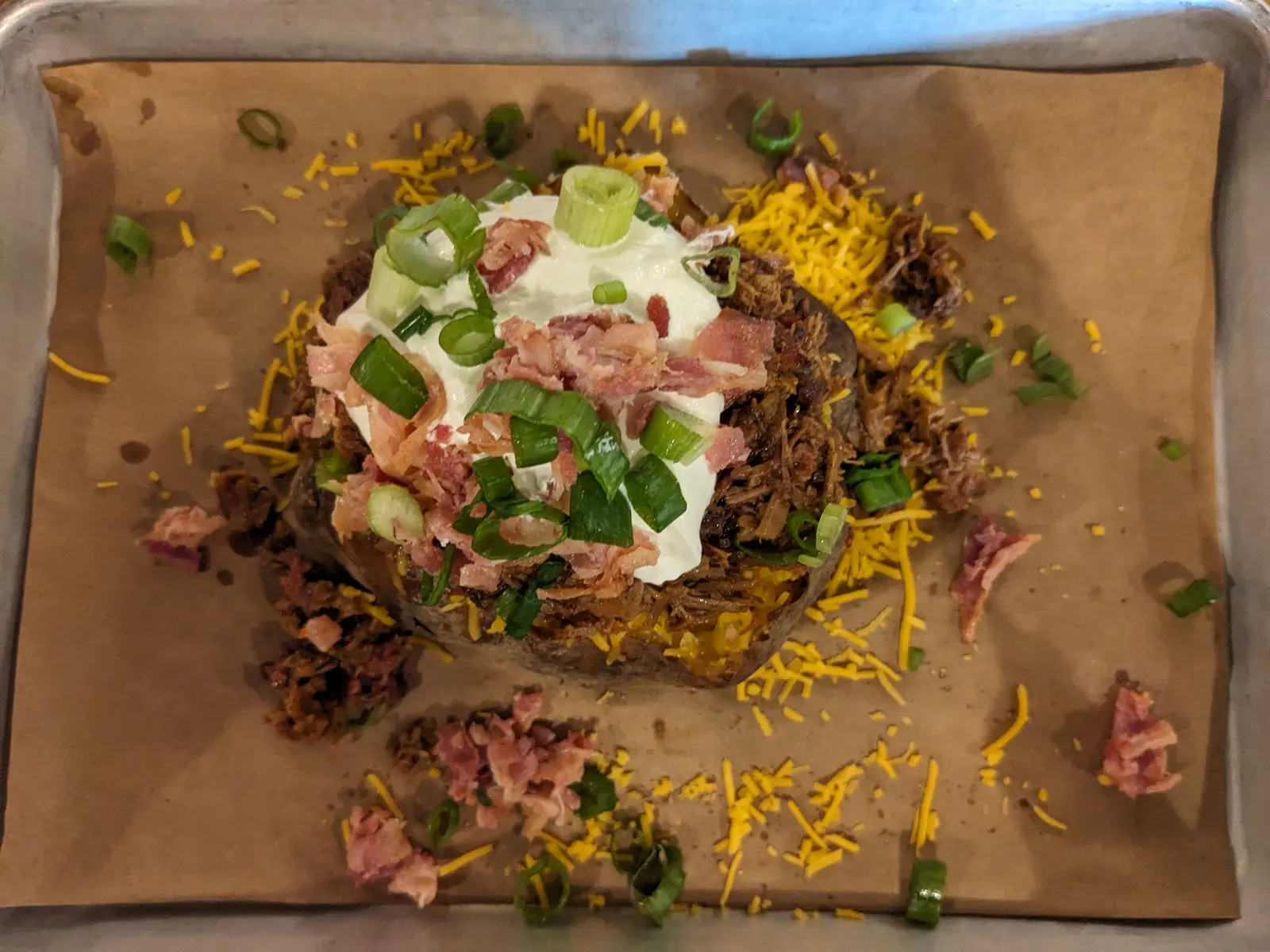
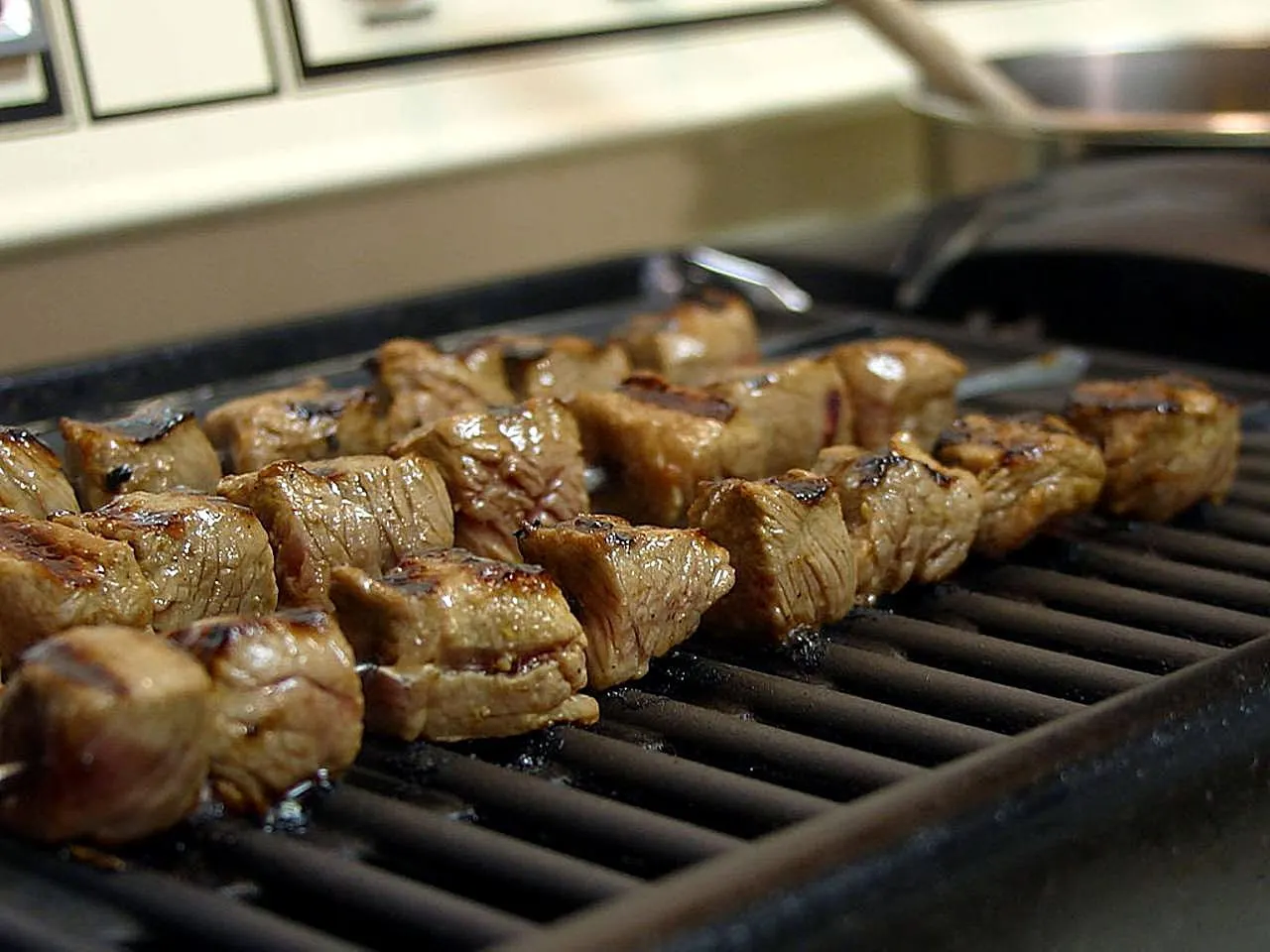
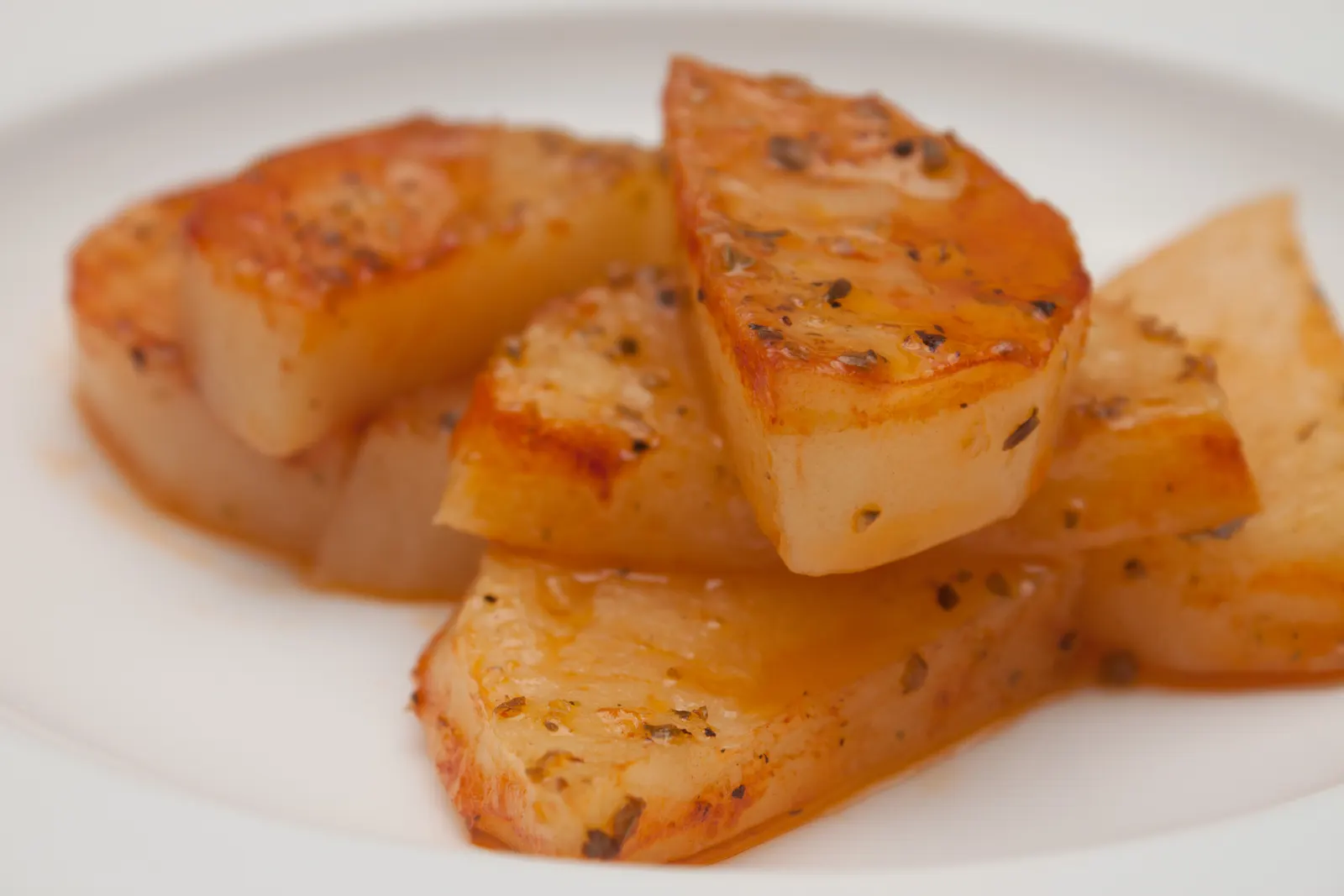
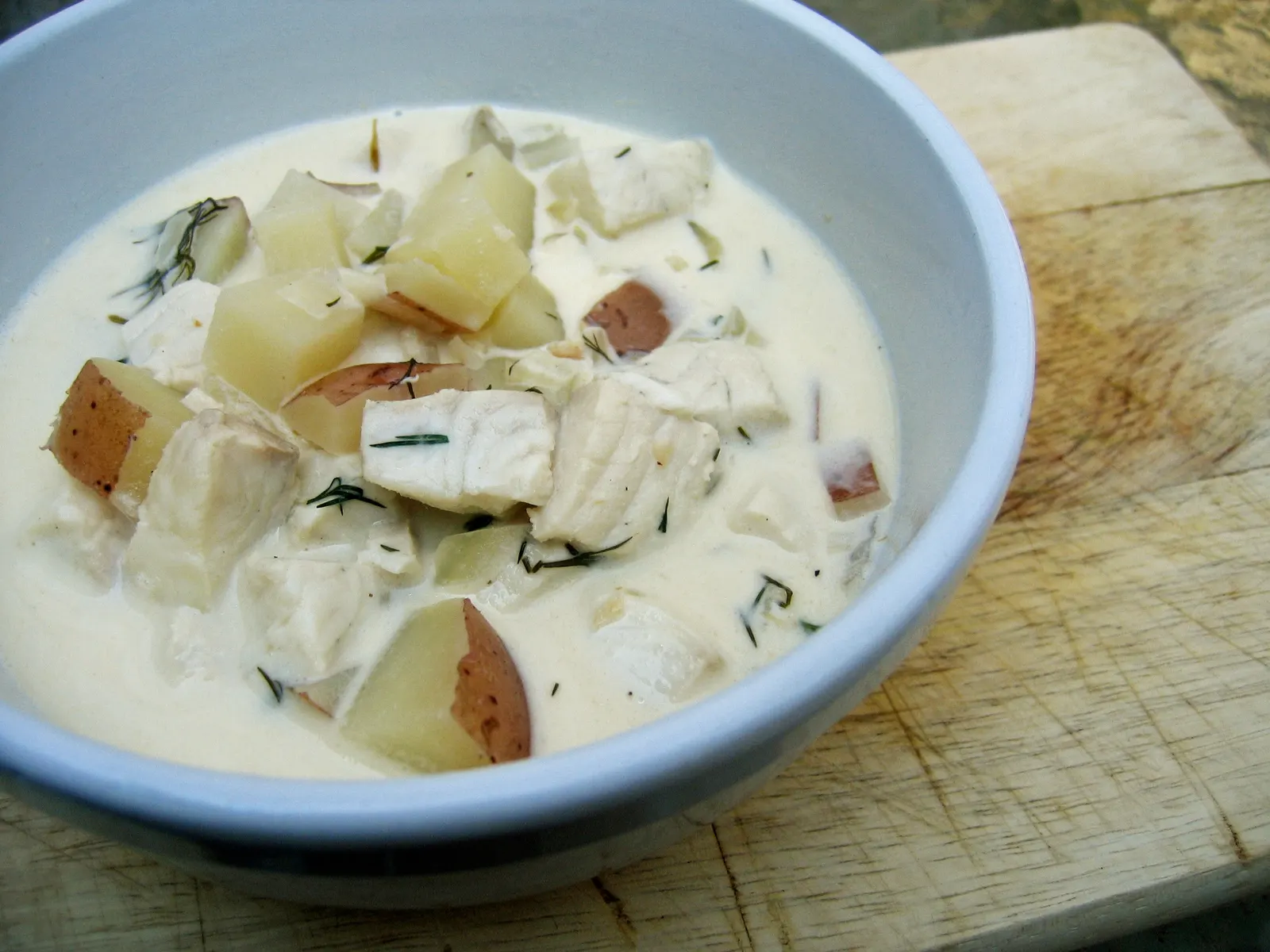
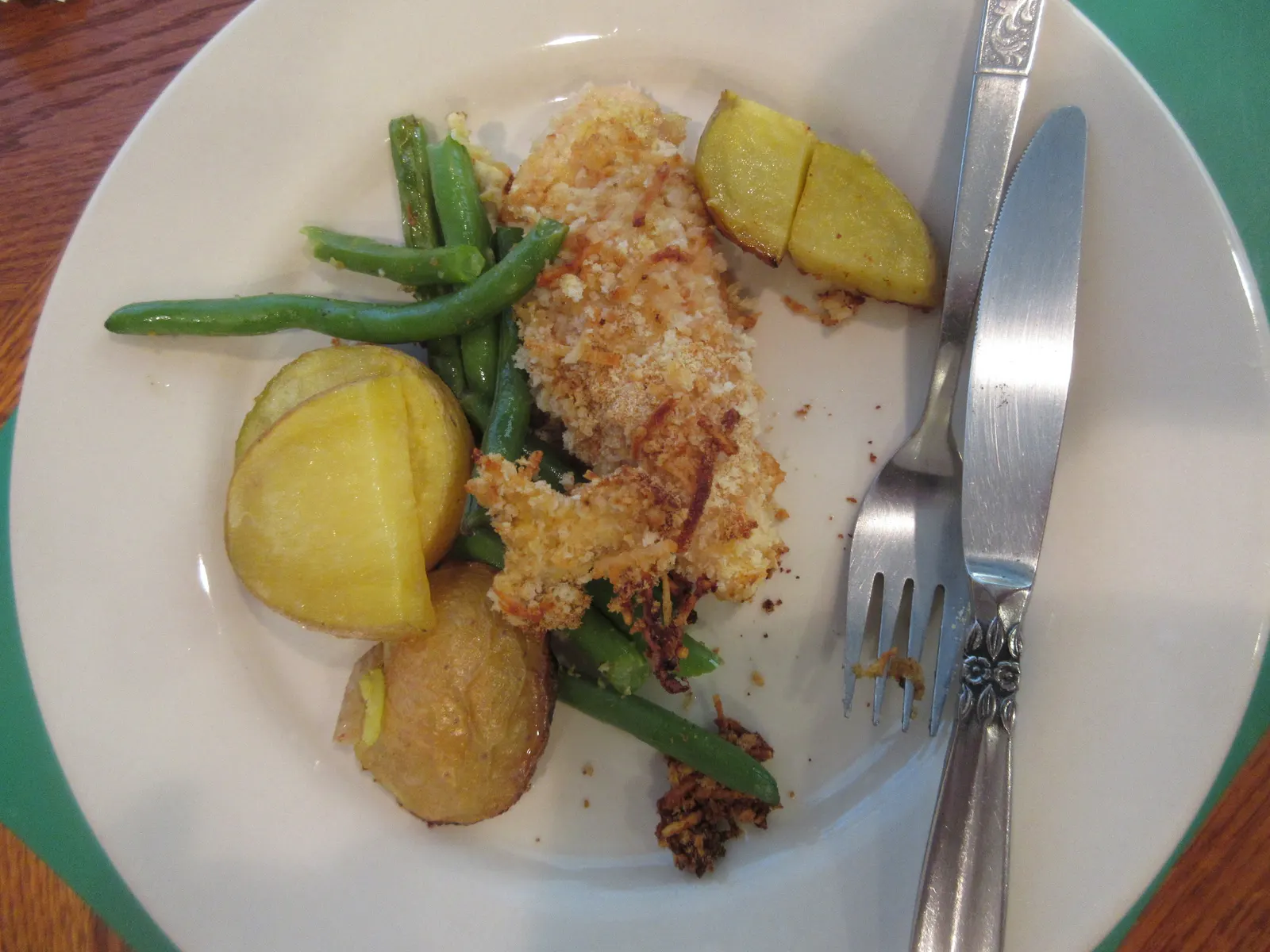
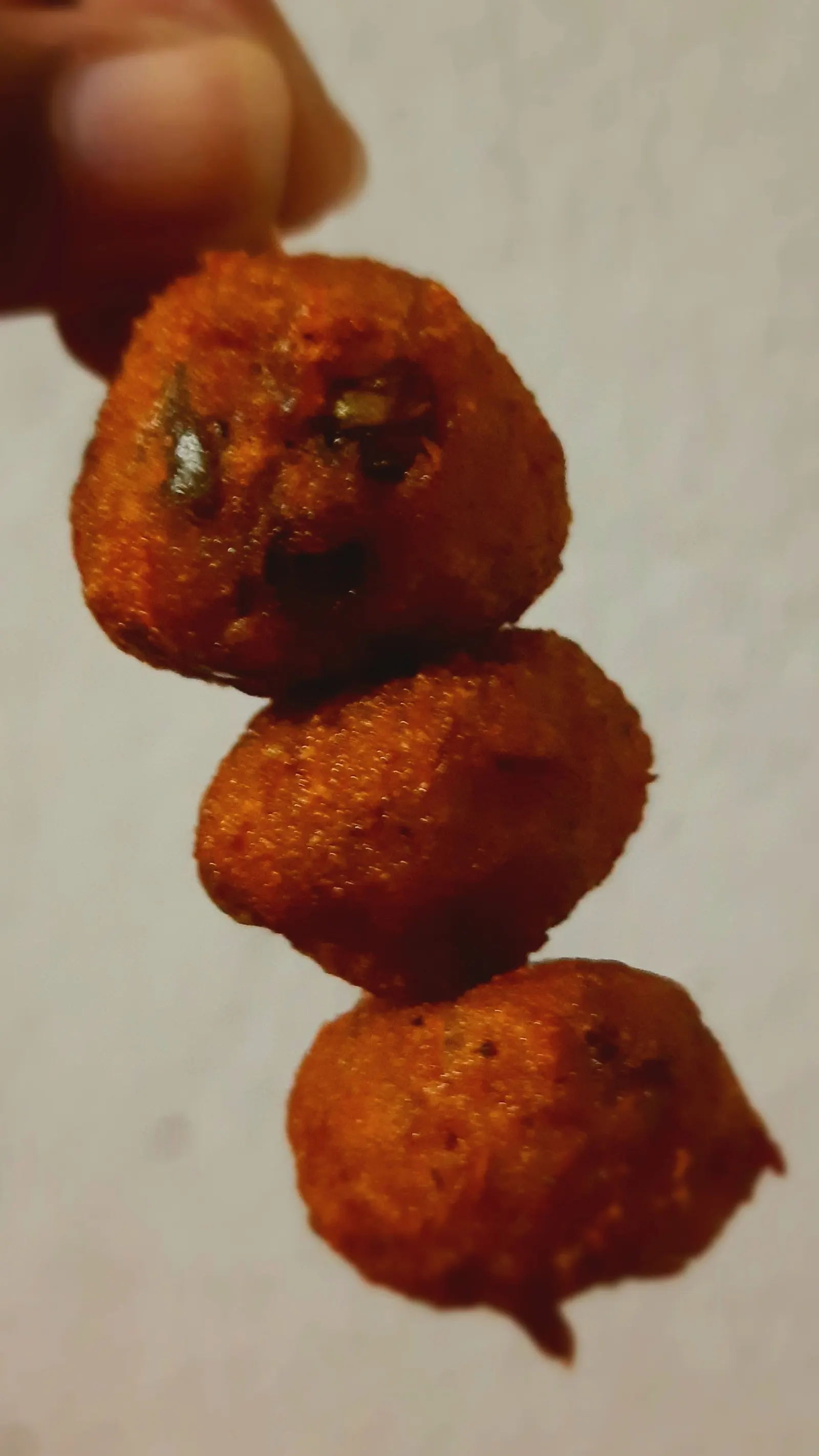
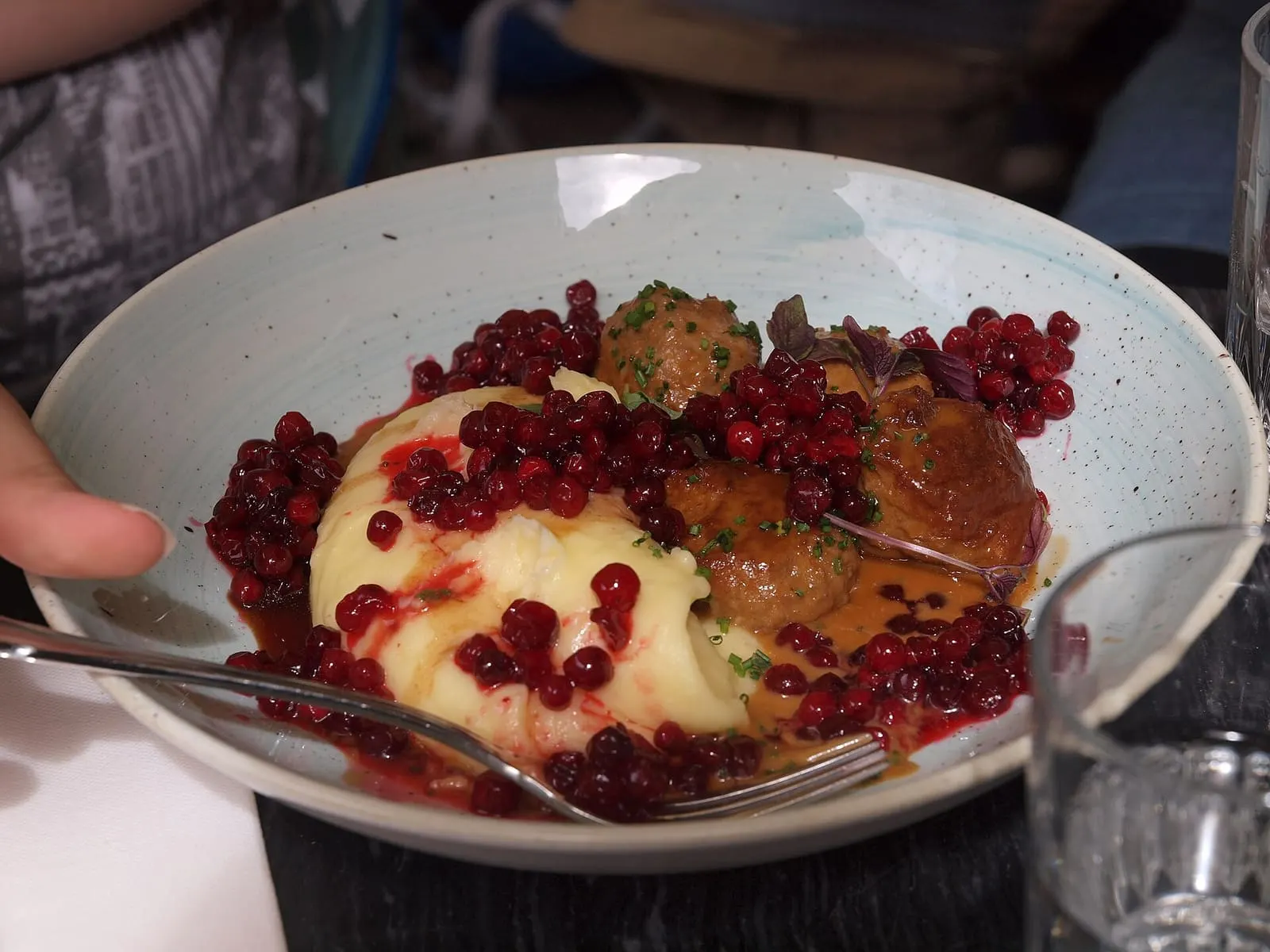

Image credits
Photography is used under open licenses with attribution: Aurus Sy, Amadscientist, and jules.

