Whipped and tub versions carry added air and gums for spreading, and they behave differently in batters. Recipes mean the foil brick unless they say otherwise.
The Pantry — a field guide to the larderPlate No. 02
Cream cheese
Fresh cheeseQuiet enricherYear-round
The bagel gets the photographs, but cream cheese does its best work in disguise: beaten into batters that stay moist for days, folded into lean meatballs that refuse to dry out, swirled into anything that needed a little richness and a little tang.
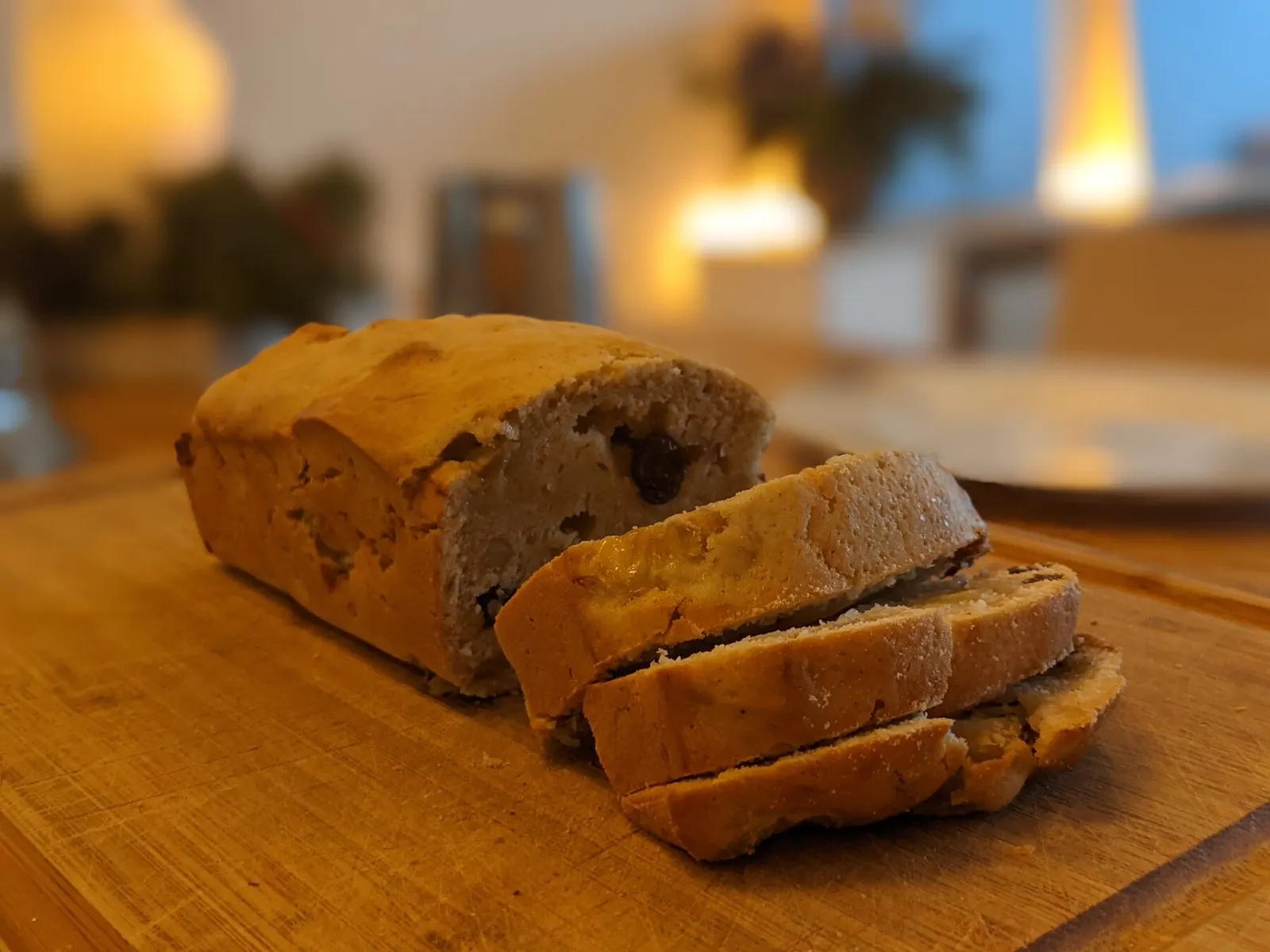
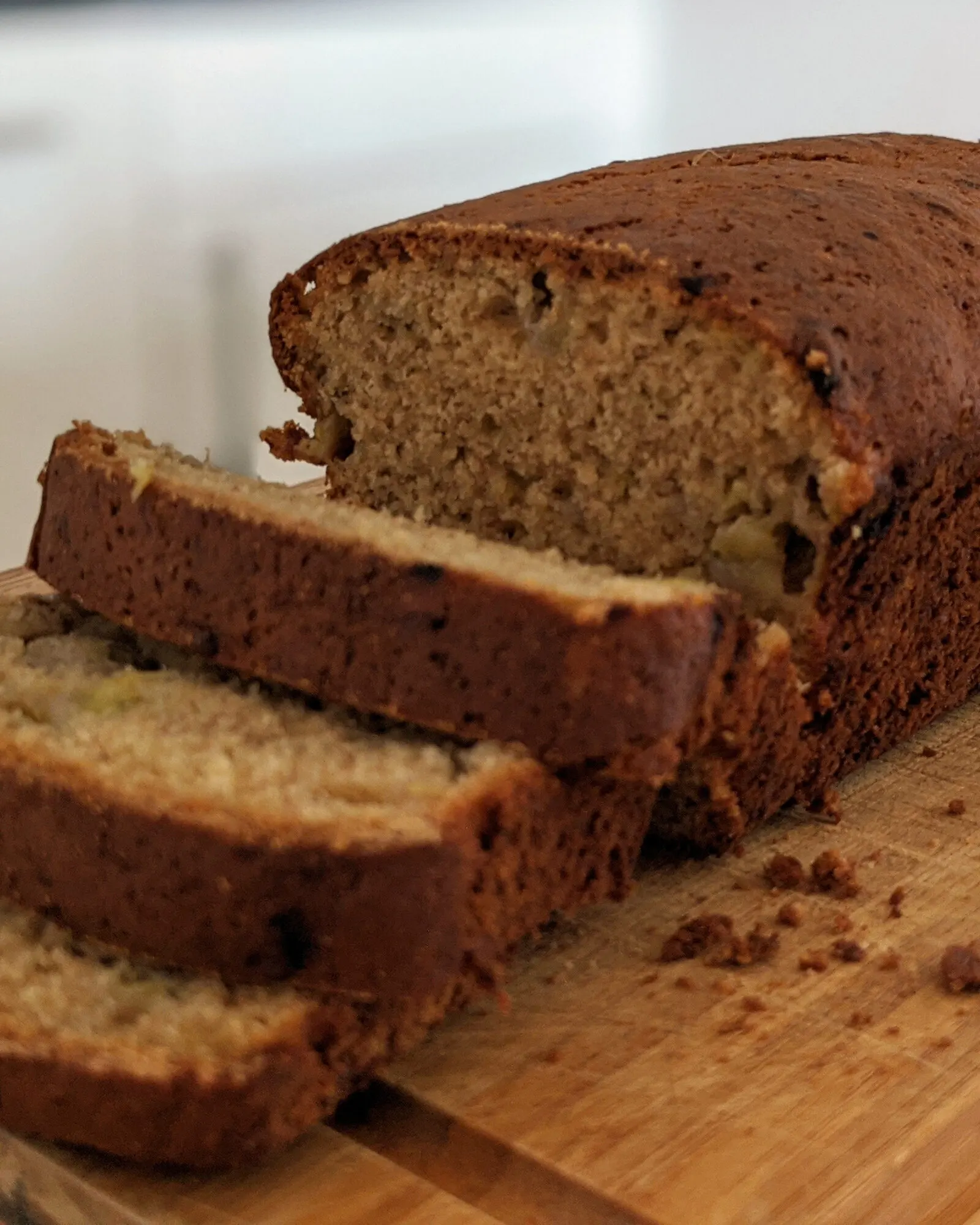
1The plush crumb
Cream cheese binds water into the batter and releases it slowly; the loaf stays moist for days.
2The clean slice
Fat coats the flour’s proteins, so the crumb cuts tender instead of tearing.
3The hidden tang
You will not name the ingredient from taste alone; you will only notice the bread is better.
- Family
- Fresh, unripened cheese
- Milkfat
- About 33%
- Season
- Year-round
- Keeps
- 2 weeks opened, chilled
- Signature
- Cheesecake, frostings, schmear
An American invention with a borrowed accent
OriginsIn the 1870s a New York dairyman set out to imitate French Neufchâtel, added more cream, and ended up with something smoother, milder, and entirely his own. A marketer named it after Philadelphia because the city then meant quality food; the cheese has never been made there.
What he actually invented was a delivery vehicle. Cream cheese has just enough flavor to notice and not enough to argue: a whisper of tang, a suggestion of salt, and a third of its weight in milkfat. That politeness is why it can sit under smoked salmon at breakfast, become frosting by dinner, and vanish completely into a banana bread batter in between.
The one thing it demands is patience. Nearly every cream cheese failure, lumpy frosting, streaky batter, curdled cheesecake, is the same mistake: the brick went in cold.
In the pan
Field notesIt holds moisture
Cream cheese is roughly half water bound tightly in fat and protein. Beaten into a batter, that water releases slowly in the oven, which is why cream cheese bakes stay moist for days.
It tenderizes lean meat
Folded into ground chicken or turkey, its fat coats the proteins so they cannot squeeze tight and dry out. The meatball equivalent of a panade, without the bread.
It resists melting
Unlike aged cheese, it never turns to liquid; heat only softens it. Fillings stay put in pastries, swirls hold their shape in brownies, and frostings keep their body.
The character, measured
Scale of tenRichness
A third of the brick is milkfat; richness is the entire job description.
Tang
Just enough lactic sourness to read as cheese, not butter, and to keep sweets from cloying.
Salt
A background savory hum that flatters both bagels and banana bread.
Sweetness
Barely there, which is why it swings both ways: schmear at breakfast, frosting by dessert.
The savory alibi
Figure i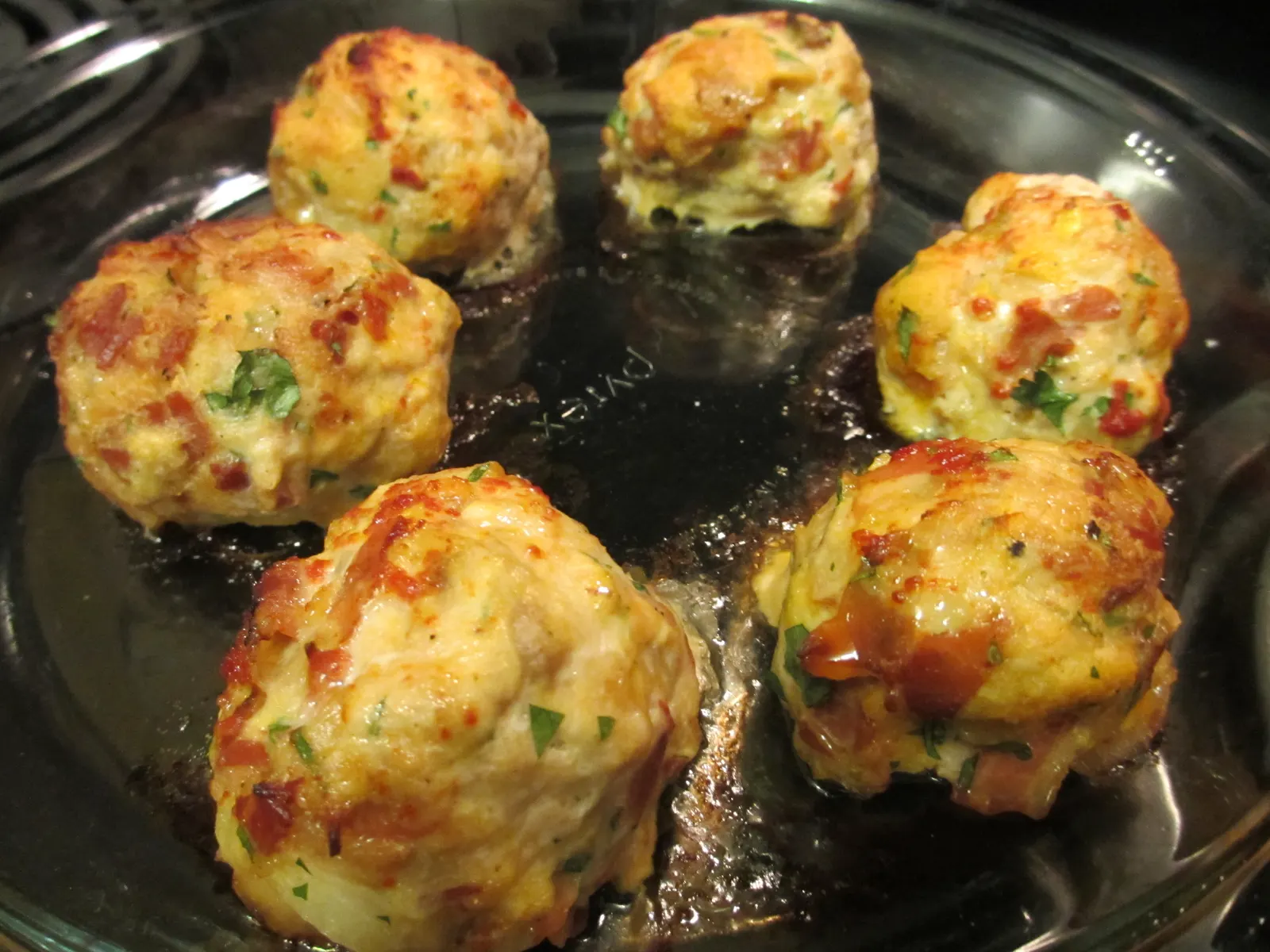
When the brick is gone
Trade ledger| In its place | How it behaves | Verdict |
|---|---|---|
| Mascarpone | Richer, softer, and sweeter, with none of the tang. Gorgeous in frostings and fillings; add a squeeze of lemon to claw the brightness back. | Upgrade |
| Neufchâtel | Sold beside the bricks with a third less fat. Behaves almost identically in batters and swirls; only dense cheesecakes notice. | Near-twin |
| Ricotta or fromage blanc | Keeps meatballs and fillings tender, but both carry more water. Drain well and expect a looser texture. | Drain first |
| Greek yogurt | The tang is right and the protein generous, but heat splits it. Fine stirred in off the heat; wrong for anything that bakes. | No oven |
Choose it, keep it
Keeper’s notesAn hour on the counter, or thirty minutes cubed. Cold cream cheese beats into lumps that no amount of mixing removes; softened, it goes glossy in seconds.
Opened and rewrapped tightly, it holds about two weeks. Any pink or blue-green tint, or a sour, yeasty smell, ends the discussion.
Freezing breaks the emulsion; thawed cream cheese turns grainy and weeps. It is salvageable in a cooked batter, ruined for a schmear or a frosting.
Cited in the recipe index
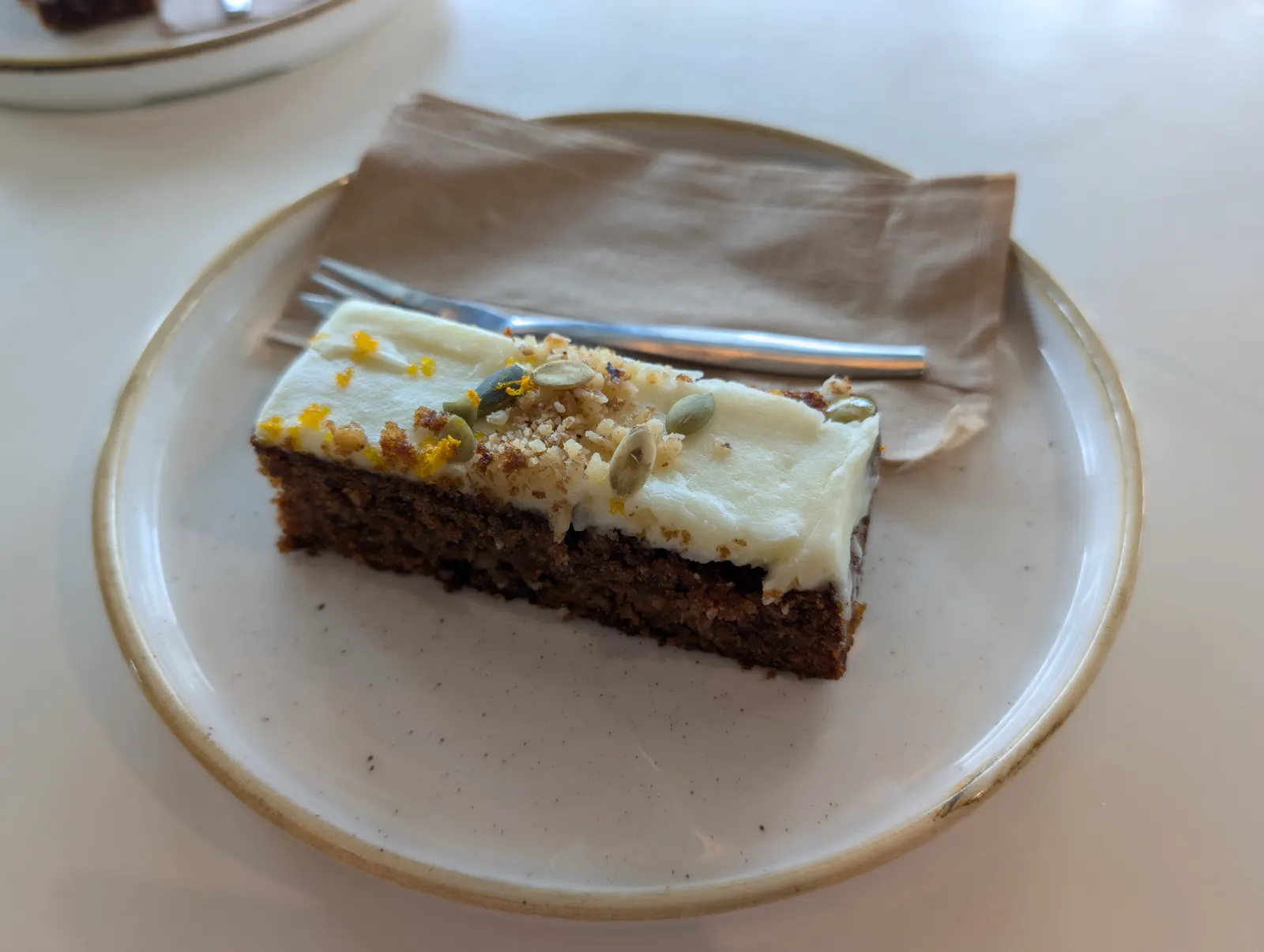
Cross-references- Carrot Cake Poke CakeAshton’s carrot cake poke cake sends warm salted caramel into every wooden-spoon pocket, then finishes the cold slab with whipped cream cheese topping and nuts.Dessert · 4 hr, plus cake cooling · 1 (9-by-13-inch) cake, 12 servings
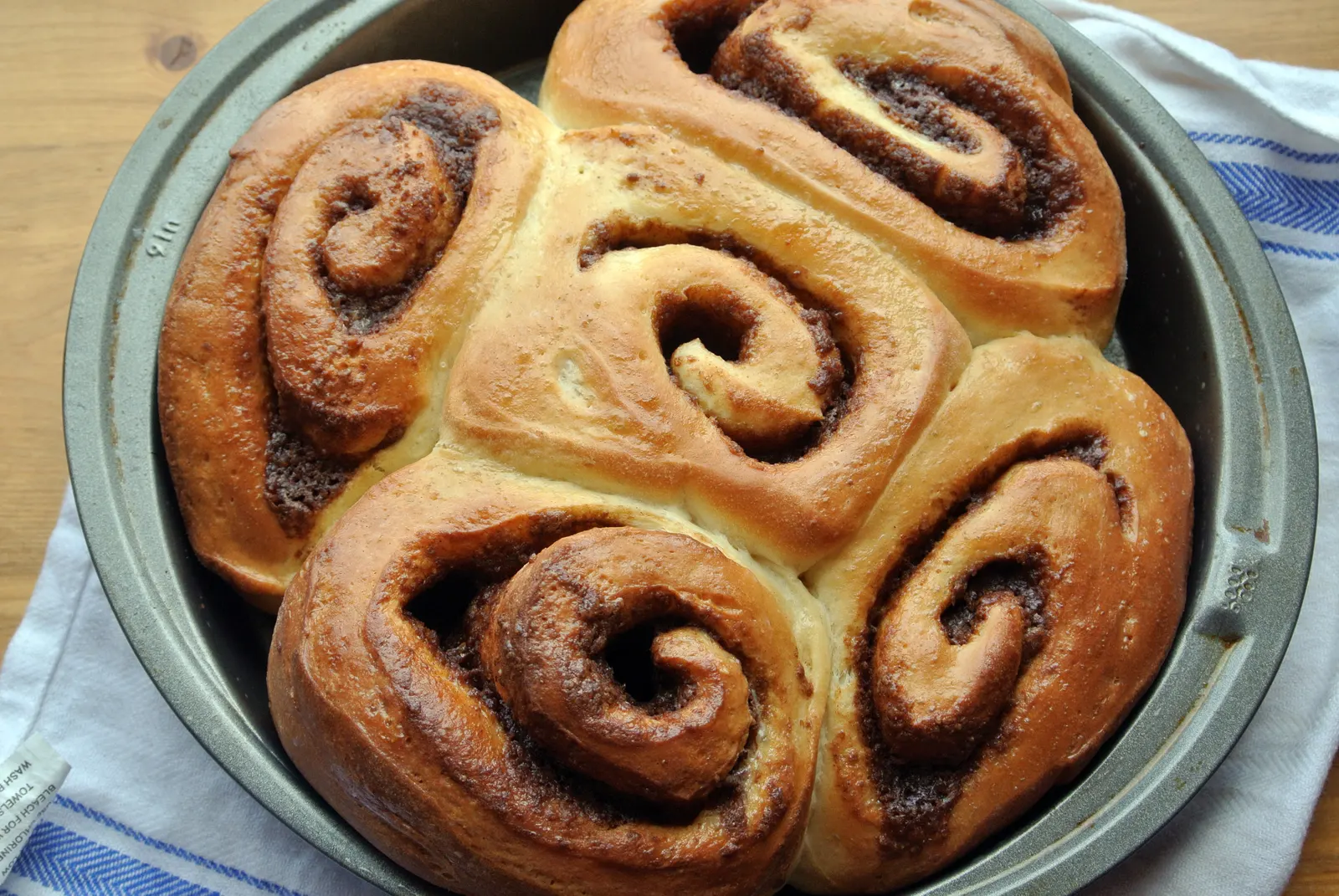
- Apple Butter Cinnamon RollsJocelyn’s no-yeast Apple Butter Cinnamon Rolls turn a deliberately sticky biscuit dough into nine tender spirals in 40 minutes.Breakfast · 40 min · 9 rolls
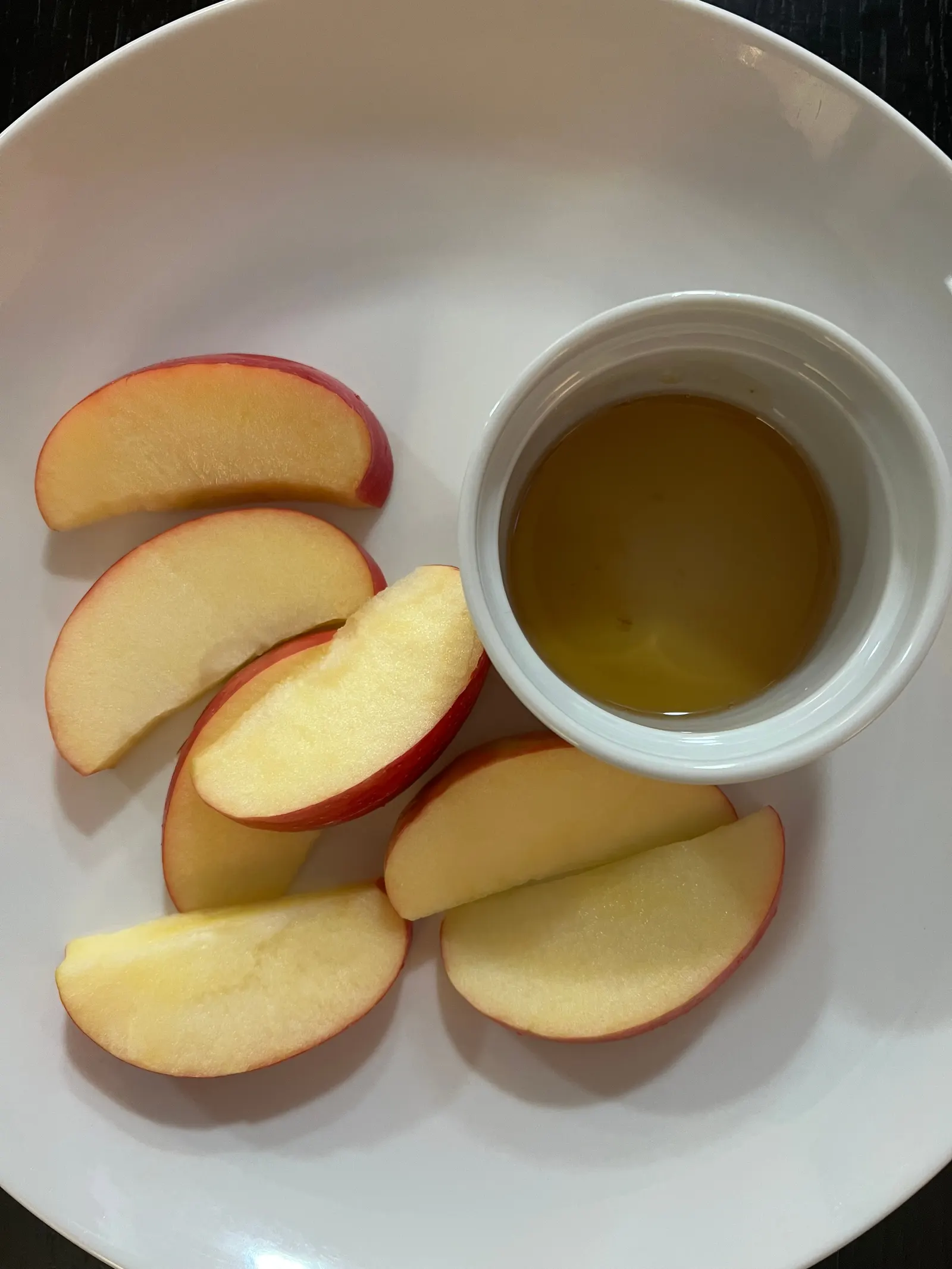
- Nutty Apple DipDana Vastano’s no-cook apple dip blends softened Neufchâtel, plain Greek yogurt, brown and white sugars, and finely chopped peanuts into a tangy party bowl.Snack · About 15 min · 6 servings
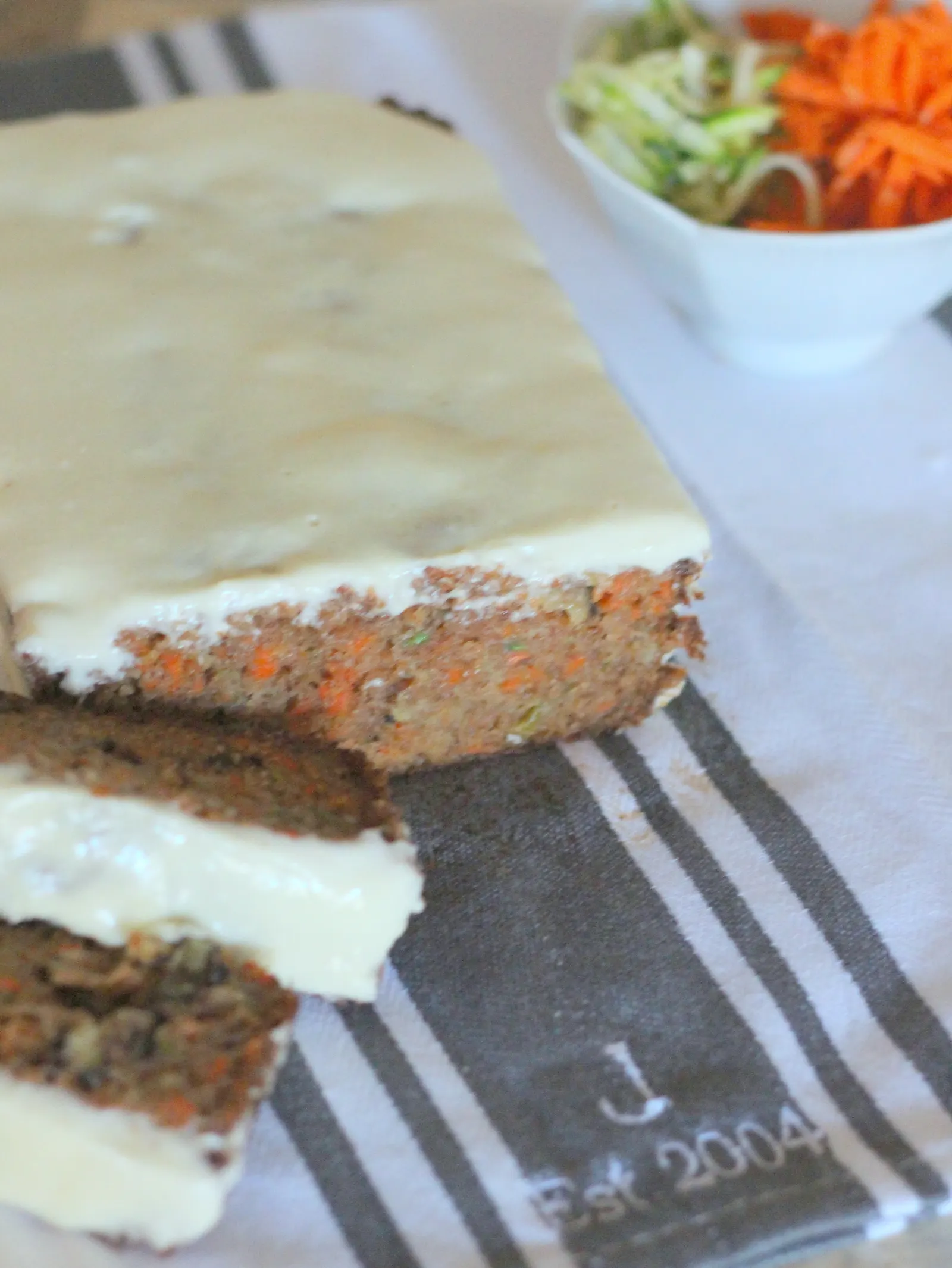
- Carrot Apple Zucchini BreadA tender American quick bread packed with shredded carrot, squeezed zucchini and diced apple, fragrant with orange and warm spice.Bread · 1 hour 5 minutes · 2 8-by-4-inch loaves (24 servings)
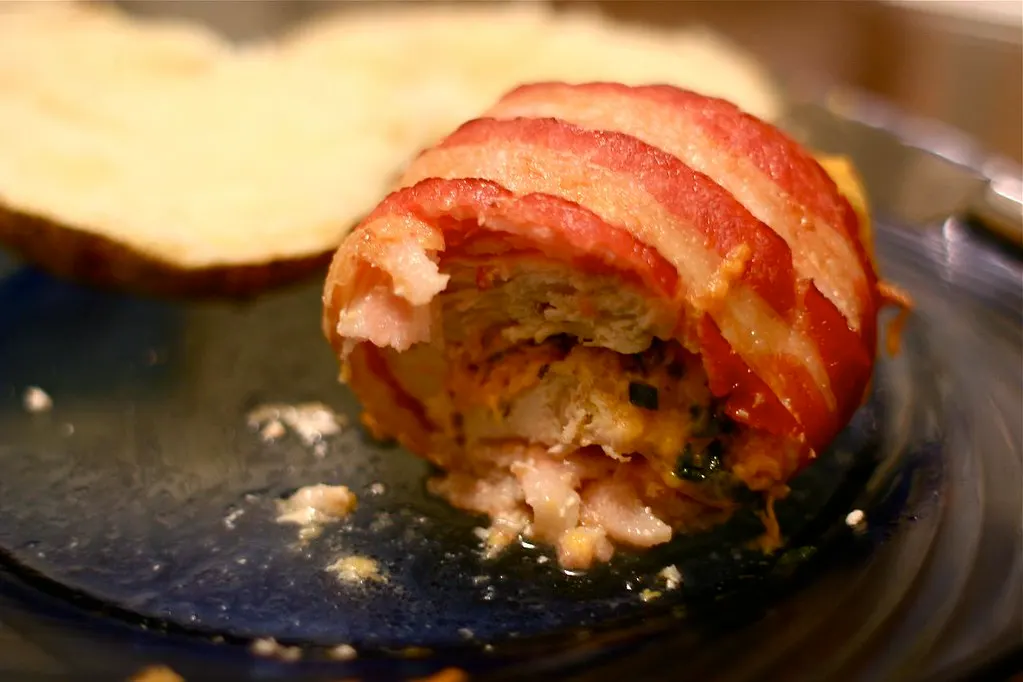
- Bacon-Wrapped Cream Cheese Stuffed Chicken BreastThin chicken cutlets rolled around cream cheese, pepper Jack, and green onion, wrapped in bacon, baked, and broiled crisp.Main Dish · 50 min stated · 4 large servings
- Cheesy Chicken MeatballsTender baked chicken meatballs loaded with cream cheese, Parmesan, and plenty of garlic. They're quick enough for a Tuesday and flavorful enough for company.Main Course · 30 min · 4 servings
- Cream Cheese Banana BreadA super-moist banana bread layered with a tangy cream cheese filling, warm cinnamon, brown sugar, Greek yogurt, and ripe bananas.Snack · 1 hr 20 min · 10 servings