The soft pepper supperTomato · chile · cumin · two-hour high

Eight fajitas from one crock

Crockpot Vegetarian Fajitas

Jessica’s eight-fajita slow-cooker filling combines Roma tomatoes, green chiles, red and green bell peppers, onion, cumin, chili powder, oregano, and garlic salt.

Slow-cook the filling
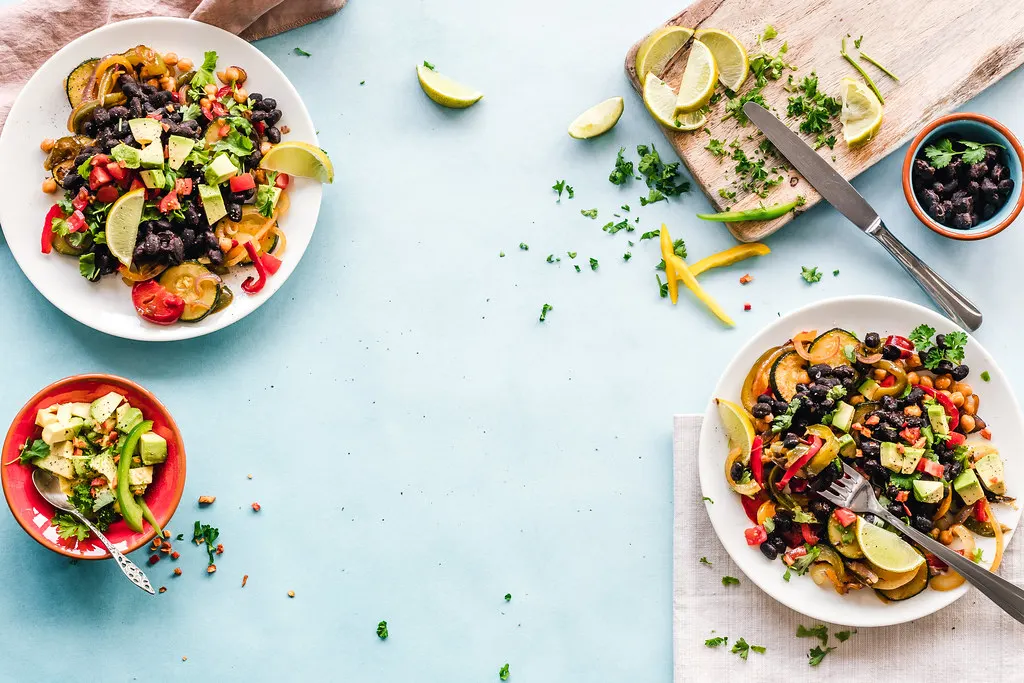
Two plates of black-bean fajita vegetables with avocado, lime, and cilantro on a pale blue table.
An illustrative black-bean fajita table. The queued slow-cooker filling uses tomatoes, red and green peppers, chiles, and onion; black beans and avocado are its suggested accompaniments, while the pictured chickpeas and zucchini are not in the formula.Photo by ella.o / Flickr, via Openverse · CC BY 2.0
Yield
8 fajitas
High
2 hours
Low
4–6 hours
Center
Pepper + tomato + chile

This is a fajita filling built for the day you will not stand beside a skillet. Jessica’s version takes the familiar pepper-and-onion center in a softer direction: tomatoes and canned green chiles share their liquid while cumin, chili powder, oregano, and garlic salt settle into every strip.

Its character is convenience, not char. Two hours on high keeps the peppers more legible; four to six on low makes them supple and spoonable. Either path ends at the same practical decision: leave excess liquid in the crock, warm the tortillas separately, and add black beans if the meal needs a sturdier center.

“After making this recipe a few times I have tweaked it each time to meet our tastes and to use items on hand.”

Cut evenly

Keep both peppers and the onion in similarly thick strips so the slow heat reaches one shared tenderness.

Choose the texture

Use high for two hours when you want the source’s firmer option; low creates the softest, most relaxed filling.

Drain by feel

Tomatoes and frozen vegetables can leave a pool. Move the filling with a slotted spoon before it softens the tortilla.

The crock mapJuicy sweet mild earthy

Four layers of the vegetable center

The source needs no broth and no substitute protein. Tomatoes and chiles make the cooking environment; peppers and onion carry the bite; four measured seasonings set the profile.

01

Roma tomatoes

Three diced tomatoes supply the filling’s fresh liquid and a soft red base without a measured splash of broth.

Keep the dice substantial enough to remain visible after the peppers have softened.
02

Red + green peppers

One large pepper of each color creates the recipe’s volume, sweetness, and two-tone stripe.

Seed both and slice them alike. One previously frozen pepper is source-tested, but expect more liquid.
03

Green chiles

A four-ounce can brings soft chile flavor and its own moisture without turning the filling into salsa.

Add the whole measured can; the source does not ask you to drain it.
04

Cumin + chile + oregano

Two teaspoons each cumin and chili powder lead, with oregano and garlic salt held deliberately quieter.

Mix with the oil before cooking begins so no strip finishes with a dry pocket of spice.

The slow rhythmCut coat cover choose drain fold

One load, two clocks

There is no staggered addition and no mid-cook sauté. The only branch is texture: two hours on high or four to six on low.

  1. Prep

    Make one even cut

    Wash the produce, dice the tomatoes, and slice seeded peppers and onion to similar thickness.

  2. Load

    Everything goes in together

    Lightly spray the crock, add every filling ingredient, and turn until the oil and spices coat the vegetables.

  3. High 2h

    The firmer source route

    Cover and leave the lid shut; this is Jessica’s later recommendation when less-soft peppers matter.

  4. Low 4–6h

    The all-day route

    Choose low for maximum hands-off time and a thoroughly soft, spoonable mixture.

  5. Finish

    Stir, assess, drain

    Look for translucent onion and tender pepper, then remove excess cooking liquid before filling tortillas.

  6. Table

    Warm, fill, fold

    Lay down black beans if using, divide the vegetables across eight fajitas, and finish with avocado or sour cream.

Pepper + tortillaThe cut and the carrier

Keep the filling even and the tortilla dry

Two green bell pepper halves with seeds and pale ribs still attached.
Seed both peppers and cut them into similarly thick strips so the red and green pieces soften on the same clock.Photo by Judgefloro / Wikimedia Commons · CC0 1.0
Slow is supposed to be soft

Do not chase skillet char inside a covered crock. Choose high for the firmer source route, then use draining—not extra cook time—to control the finish.

A stack of small corn tortillas resting on larger flour tortillas.
The source does not choose corn or flour or give a count. Warm the tortillas you like and portion the filling across eight fajitas.Photo by Vigilantcosmicpenguin / Wikimedia Commons · CC BY 4.0

The tenderness ledgerCoated translucent bending drained

Four signs the crock is ready

The clock gives a range because slow cookers differ. Read the vegetables and the liquid before you fill the first tortilla.

01

Spices cling before cooking

The vegetable strips show an even rusty sheen, with no mound of cumin or oregano left at the crock’s edge.

02

Onion turns translucent

The slices lose raw white opacity and bend easily, marking that the slow heat has reached the center.

03

Pepper bends without dissolving

On high, a strip folds without snapping but still keeps its outline; low produces a deliberately softer result.

04

The spoon leaves the liquid behind

A filled tortilla receives glossy vegetables, not the tomato-rich pool collected at the bottom of the crock.

The author-tested planDouble bag thaw drain reheat

Freeze the second batch, not the texture lesson

Jessica’s freezer update is part of the source story: the flavor deepens, the vegetables release more liquid, and refrigerator thawing keeps the handoff controlled.

Double with a purpose

The author’s freezer method cooks one batch now and packs the second raw, preserving the exact same seasoning ratio.

Thaw for 24 hours

Move the frozen bag to the refrigerator a day ahead. Do not thaw the cut vegetables on the counter.

Expect a wetter freezer batch

Freezing weakens vegetable cells. Drain the cooked thawed batch before serving so its extra liquid stays out of the tortillas.

Cool outside the crock

Transfer leftovers to shallow containers, chill promptly, use within 3–4 days, and reheat to 165°F on the stove or in the microwave.

Crockpot Vegetarian Fajitas

The exact eight-fajita filling from The Pieper Life: Roma tomatoes, canned green chiles, red and green bell peppers, onion, vegetable oil, cumin, chili powder, oregano, and garlic salt.

VegetarianFajitasSlow CookerBell PeppersFreezer MealMeatless Dinner

Ingredients

Slow-cooker vegetable filling

  • Nonstick cooking spray, for a thin coating
  • 3 Roma tomatoes, diced
  • 1 (4-ounce) can diced green chiles
  • 1 large green bell pepper, seeded and sliced
  • 1 large red bell pepper, seeded and sliced
  • 1 medium onion, sliced
  • 1 1/2 tablespoons vegetable oil
  • 2 teaspoons ground cumin
  • 2 teaspoons chili powder
  • 1/2 teaspoon dried oregano
  • 1/4 teaspoon garlic salt

For serving

  • Tortillas, warmed; source amount and type not specified
  • Prepared black beans, optional; source amount not specified
  • Avocado, optional; source amount not specified
  • Sour cream, optional; source amount not specified

Directions

  1. Wash the tomatoes, bell peppers, and onion under running water before cutting. Dice the Roma tomatoes, seed and slice both peppers, and slice the onion into pieces of similar thickness.
  2. Coat the inside of the slow cooker lightly with nonstick cooking spray.
  3. Add the tomatoes, diced green chiles, green and red bell peppers, onion, vegetable oil, cumin, chili powder, oregano, and garlic salt. Mix with a large spoon until the vegetables are evenly coated with oil and spices.
  4. Cover and cook for 4–6 hours on low or 2 hours on high. Keep the lid closed. The filling is ready when the onion is translucent and the pepper strips are tender throughout; the source’s high setting gives the firmer result.
  5. Stir the cooked filling. If excess liquid has collected, especially after using previously frozen vegetables, transfer with a slotted spoon or drain briefly before it reaches the tortillas.
  6. Warm the tortillas. If using the source’s black-bean suggestion, spread a small portion down each tortilla before adding the vegetable filling.
  7. Divide the filling among eight fajitas and serve with avocado and sour cream if desired.

Source and technique references: Jessica’s September 16, 2013 The Pieper Life post for the eight-fajita yield, exact formula, high and low timings, serving suggestions, frozen-pepper note, author texture reply, and refrigerator-thawed freezer method; Eat at Home’s contemporary slow-cooker feature for independent attribution to Jessica and the recipe’s freezer-friendly identity; University of Minnesota Extension’s slow-cooker guidance for keeping the lid closed, cooling outside the crock, and reheating to 165°F; Utah State University Extension’s freezing guide for refrigerator thawing and the texture effects of ice crystals; and FoodSafety.gov’s produce guidance and leftover guidance for running-water washing, shallow containers, prompt refrigeration, four-day use, and 165°F reheating. The filling proportions are unchanged; cutting, doneness, draining, thawing, and storage cues are separated clarification.

Image credits

Photography is used under open licenses with attribution: ella.o / Flickr, via Openverse, Judgefloro / Wikimedia Commons, and Vigilantcosmicpenguin / Wikimedia Commons.